
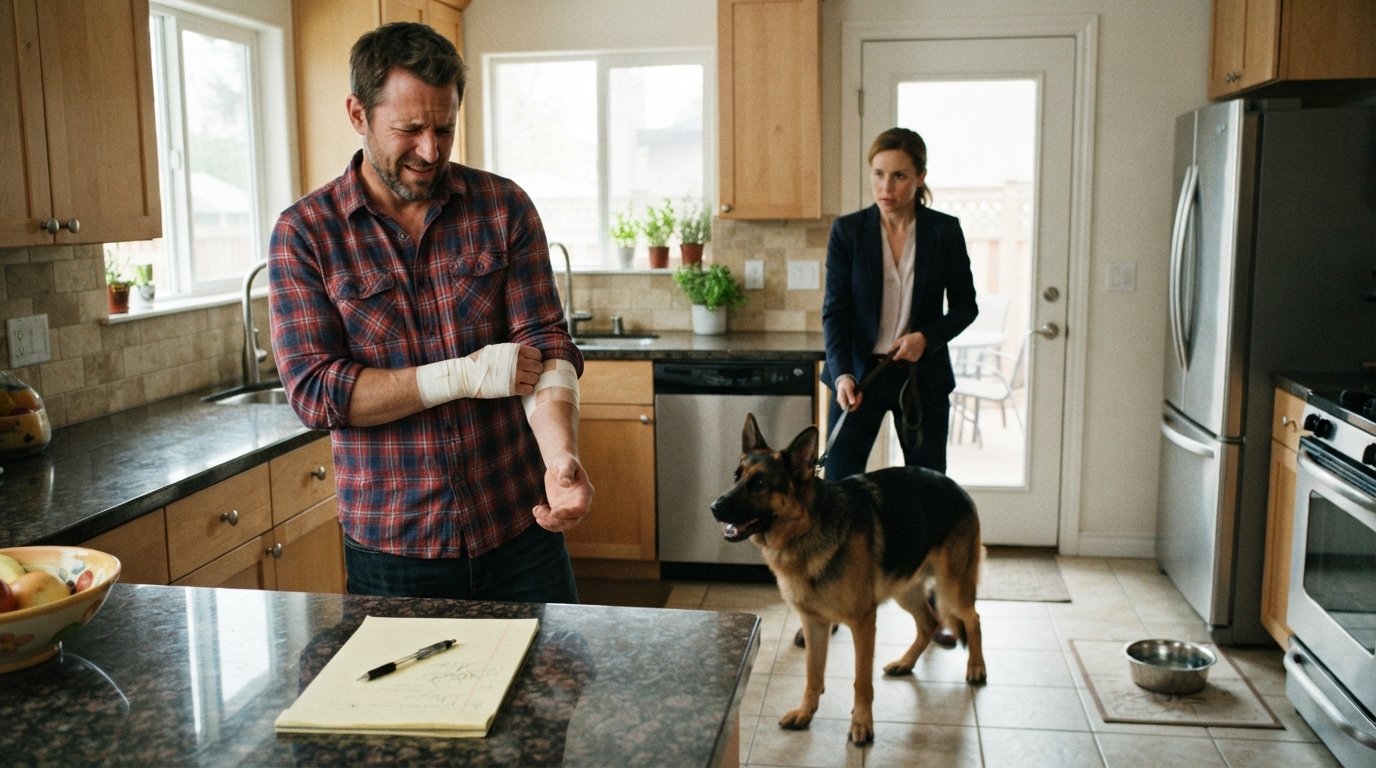
Dog Bite Laws by State Liability and Victim Rights
Understand dog bite laws by state liability and victim rights, including strict liability rules and how to maximize your injury compensation.

By Rhea Montoya
Dog bites send more than 800,000 Americans to medical care each year, yet the legal rules that decide who pays for those injuries vary wildly depending on the state where the attack occurred. A victim in California may recover without proving the owner knew the dog was dangerous, while a victim in Texas may face a tougher road unless the dog had a history of aggression. Understanding how strict liability, the one-bite rule, and comparative fault interact with your state's statutes is the first step to protecting your rights and securing fair compensation. This guide walks through the landscape of dog bite laws by state, liability standards, and the specific rights victims hold when pursuing a claim.
Why State Law Matters in Dog Bite Cases
Dog bite law is almost entirely a creature of state law, not federal law. That means each state decides its own legal standard for holding an owner responsible. The two most common frameworks are strict liability and the one-bite rule. Under strict liability, an owner is automatically responsible for injuries caused by their dog, regardless of whether the dog had ever shown aggression before. The one-bite rule, by contrast, gives an owner a free pass for the first aggressive incident unless the victim can prove the owner knew or should have known the dog was dangerous.
The state where the bite occurs also determines who can be sued, what damages are available, and whether the victim's own actions can reduce their recovery. For example, a victim who was trespassing or provoking the dog may be barred from recovery entirely in some states, while other states allow recovery but reduce it by the victim's percentage of fault. Because these rules differ so sharply, a successful claim often depends on a lawyer who knows the local statutes and case law inside out.
Liability Standards by State: A Practical Breakdown
States generally fall into three categories when it comes to dog bite liability. Knowing which category applies to your case can shape your legal strategy from day one.
Strict liability states (such as California, Florida, and Michigan) hold the owner liable for medical bills, lost wages, and pain and suffering even if the dog never bit anyone before. The victim does not need to prove negligence or prior knowledge. However, strict liability still has exceptions, usually for trespassing or provocation.
One-bite rule states (including Texas, Alaska, and Vermont) require the victim to show that the owner knew the dog had a propensity for aggression. That knowledge can come from prior bites, growling or lunging incidents, or even the dog's breed history in rare cases. In these states, the first bite often goes uncompensated unless the victim can dig up evidence of the dog's dangerous tendencies.
Negligence-based states (such as New York and North Carolina) blend elements of both. They do not automatically impose liability for a first bite, but they hold owners responsible when the owner failed to act as a reasonable person would, such as by leaving a known aggressive dog off-leash in a public park.
State Statutes That Override Common Law
Even within these categories, state legislatures have passed specific statutes that modify the common law rules. For instance, some strict liability states cap damages for bites that occur on the owner's property, while others extend liability to landlords who knew a dangerous dog was living in a rental unit. Many states also impose mandatory reporting requirements for dog bites, which can create a paper trail that helps victims prove their claims later.
Given this complexity, it is wise to check the exact dog bite laws by state liability and victim rights before assuming your claim has merit. A local attorney can tell you not only the legal standard but also how courts in your county have applied it in practice, which often matters just as much as the statute itself.
Your Rights as a Dog Bite Victim
Regardless of the liability standard in your state, most victims share a core set of rights. You have the right to seek compensation for medical expenses, both current and future, including emergency room visits, reconstructive surgery, physical therapy, and psychological counseling. You also have the right to recover lost income if the injury forced you to miss work, and you may claim damages for permanent scarring or disfigurement.
Beyond economic losses, victims can often pursue non-economic damages for pain and suffering, emotional distress, and loss of enjoyment of life. In egregious cases, where the owner acted with reckless disregard for public safety, punitive damages may be on the table as well. To preserve these rights, you should take the following steps immediately after a bite:
- Seek medical care right away, even if the wound seems minor, to prevent infection and document the injury.
- Report the bite to local animal control or the police so there is an official record of the attack.
- Photograph the wound, the location, and the dog if you can do so safely, and collect contact information from witnesses.
- Keep all medical records, receipts, and a journal of your recovery to substantiate your damages.
- Do not speak to the owner's insurance company before consulting a lawyer.
These actions do more than preserve evidence. They also create a timeline that can prove crucial when an insurer tries to argue that the bite was not serious or that you provoked the dog. A well-documented case is far easier to settle favorably, and it gives your attorney the ammunition needed to push back against lowball offers.
Statutes of Limitations and Filing Deadlines
Every state imposes a deadline, known as a statute of limitations, for filing a dog bite lawsuit. These deadlines range from one year in some states, like Kentucky and Louisiana, to six years in others, such as Maine and New Jersey. Most states fall in the two to three year range. Missing this deadline usually means your case is dismissed forever, no matter how strong your evidence is.
There are exceptions that can extend or pause the deadline. For example, if the victim is a minor, the clock may not start running until the child turns 18. If the owner leaves the state after the bite, some jurisdictions toll the statute until they return. An attorney can evaluate these nuances in the context of your specific case, but you should never delay seeking legal advice, because evidence fades and witnesses move away quickly.
Comparative Fault and Its Impact on Recovery
Many states apply comparative fault rules to dog bite cases, meaning your compensation can be reduced by the percentage of fault attributed to you. If you were teasing the dog, ignoring a beware of dog sign, or trespassing on private property, the court or insurer may argue that you share responsibility for the attack. In pure comparative fault states, like California, you can still recover even if you are 99% at fault, though the amount is reduced accordingly. In modified comparative fault states, such as Colorado and Texas, you are barred from recovery entirely if you are more than 50% at fault.
This is where legal representation becomes critical. An experienced attorney knows how to present your actions in the most favorable light, emphasizing that reasonable people do not anticipate a sudden dog attack and that the owner had a duty to control the animal. Without a lawyer, you may accept a reduced settlement that does not reflect the strength of your case.
How Insurance Coverage Affects Your Claim
Most dog bite claims are paid by the owner's homeowners or renters insurance policy, not by the owner personally. These policies typically cover dog bites up to the liability limit, which is often between $100,000 and $300,000, but some insurance companies exclude certain breeds, such as pit bulls or Rottweilers, or refuse to renew policies after a claim. If the owner has no insurance or insufficient coverage, you may need to pursue the owner's personal assets, which can be difficult to collect.
When dealing with an insurance company, remember that their goal is to minimize payout. They may pressure you to accept a quick settlement that covers only your immediate medical bills, leaving you without funds for future surgery or therapy. A lawyer can negotiate on your behalf, using the full scope of your damages as leverage. In many cases, simply having an attorney significantly increases the final settlement amount.
Special Considerations for Children and Vulnerable Adults
Children account for more than half of all dog bite victims, and they often suffer bites to the face, head, and neck due to their height and inability to defend themselves. The law recognizes this vulnerability in several ways. In strict liability states, a child's age is often considered when determining whether they provoked the dog; a toddler pulling a dog's tail is not treated the same as an adult doing so. Some states also have specific statutes that impose higher duties on owners when children are known to be nearby.
For elderly victims or those with disabilities, the impact of a dog bite can be more severe, leading to prolonged hospital stays and permanent loss of independence. These victims may also be entitled to higher damages for loss of consortium or diminished quality of life. If you are caring for a loved one who was bitten, consult an attorney to ensure that their long-term needs are fully accounted for in the claim.
Steps to Find the Right Attorney
Not every lawyer has experience with dog bite cases, and choosing the wrong one can cost you time and money. Look for an attorney who handles personal injury cases regularly and has a track record of successful verdicts or settlements in animal attack claims. Ask about their familiarity with your state's specific liability standard and whether they have dealt with the insurance companies that cover dog bites.
Many personal injury firms offer free initial consultations, which gives you the chance to discuss your case without financial risk. During that meeting, ask about their fee structure, typically a contingency percentage ranging from 25% to 40% of the recovery, and clarify who pays for expert witnesses or court costs if you lose. A reputable lawyer will be transparent about these details.
For a free case review and to get matched with a qualified attorney in your area, consider using a legal referral service. For example, LegalCaseReview provides educational content and connects victims with top-rated legal professionals for personalized assessments. Similarly, our platform at LawyerCaseReview offers a confidential case evaluation form that can link you with attorneys who have a proven record in personal injury and animal attack cases. These services can save you hours of research and give you confidence that you are speaking with someone who understands the nuances of dog bite laws by state liability and victim rights.
As you navigate this process, keep in mind that the legal system exists to protect you, but it only works if you take action. Whether you are dealing with a minor nip or a life-altering mauling, the steps you take in the days following the attack can make the difference between a fair recovery and a denied claim. Stay organized, document everything, and do not hesitate to seek professional guidance.
Dog bite laws by state liability and victim rights are complex, but you do not have to decipher them alone. An attorney who knows the local rules can help you understand your options, evaluate the strength of your case, and pursue the compensation you deserve. Reach out for a free consultation today and take the first step toward physical and financial recovery. In our guide on workplace injury rights, we explain how injury claims differ when the incident happens on the job, which is another scenario where state law and liability rules can shape your outcome.